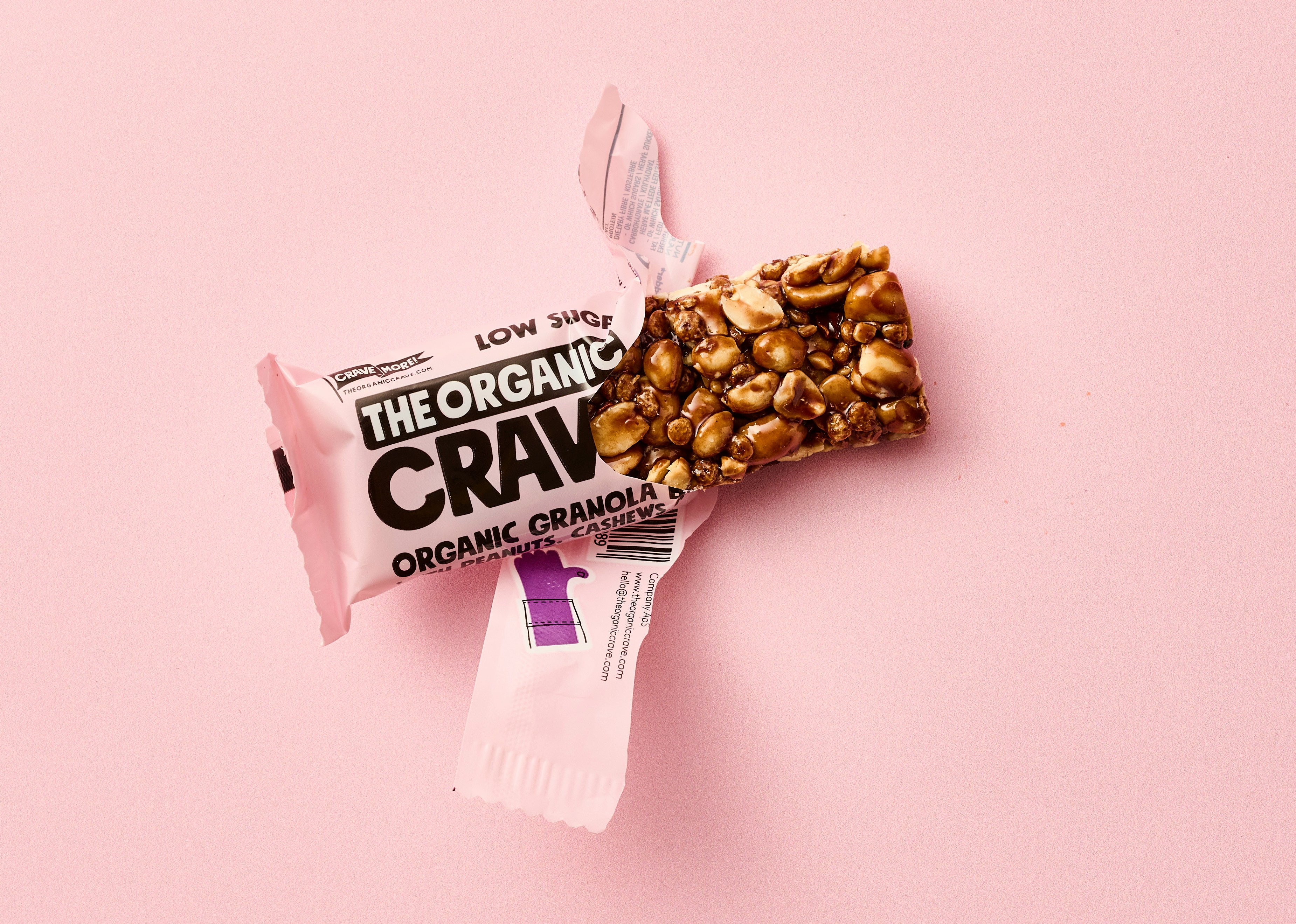
Why do healthy breakfasts make me feel tired?
A breakfast can look completely healthy and still leave someone feeling exhausted an hour later.
Oatmeal.
Bananas.
Granola.
Whole grain toast.
Fruit smoothies.
Foods that are usually associated with:
energy
wellness
healthy routines
Yet some people experience:
brain fog
sudden fatigue
difficulty focusing
mental sluggishness
heavy eyes after eating
And because the foods seem “healthy,” the reaction becomes confusing.
Why does it happen after breakfast specifically?
For many people, the morning is the most sensitive part of the day.
The body is transitioning from:
fasting
dehydration
cortisol fluctuations
low blood sugar states
Large or heavily carbohydrate-based breakfasts may feel very different in this context compared to later meals.
Especially when breakfast is:
eaten quickly
low in protein
high in processed carbohydrates
consumed after poor sleep
paired with sugary drinks
The same foods at lunch or dinner may not create the same experience.
That inconsistency matters.
The issue may not be the food itself
Someone may feel tired after:
granola
cereal
pancakes
toast
fruit-heavy breakfasts
while feeling completely fine after:
eggs
yogurt
mixed meals
slower breakfasts with protein and fat
This does not automatically mean carbohydrates are “bad.”
It may simply mean the reaction changes depending on:
timing
composition
quantity
surrounding conditions
The pattern is often more important than the ingredient alone.
Why reactions feel unpredictable
One of the most frustrating parts of food reactions is inconsistency.
A breakfast might feel fine on Saturday.
But terrible on Monday morning before work.
Fine after good sleep.
Bad after stress.
Fine during vacation.
Heavy during busy weeks.
That unpredictability causes many people to stop trusting their own signals.
But inconsistent reactions can still form very consistent patterns.
Intolera focuses on repeated signals
Most food apps focus on single foods.
Intolera looks for:
repeated reactions
timing overlap
contextual triggers
meal composition patterns
Because reactions are rarely isolated.
Sometimes the difference is not:
what you ate
but:
when, how, and under which conditions you ate it.
That is where patterns begin to appear.
Pattern Summary
Pattern Signal:
Fatigue and brain fog after high-carbohydrate breakfasts
Possible Context Factors:
Morning timing, low protein balance, processed carbohydrates, sleep quality, stress
Pattern Type:
Context-dependent reaction
Observation Insight:
The same foods may produce different outcomes depending on timing, meal structure, and surrounding conditions.
Learn more
Discover more from the latest posts.